Categories

Interfacing Types and Uses

Interfacing Types and Uses

It might not seem the most interesting part of dressmaking knowledge, but it’s essential to read up on interfacing types and uses if you want professional results. Interfacing is an additional fabric layer used in key areas of a garment to provide shape, strength, and support (the 3 S’s!). You’ll find it in waistbands, collars, cuffs, and shirt plackets, where structure matters most.

It’s usually applied to the facing or underlayer rather than the main fabric. But choosing the wrong interfacing can ruin your garment’s appearance. A good rule of thumb is to select a variety that’s the same weight or slightly lighter than your main fabric — never heavier.

What Are the Main Interfacing Types and Uses?

Interfacing is available in several forms, and each type is designed for specific uses. Understanding the differences will help you achieve a crisp finish that complements your fabric.

  • Structure: Woven, non-woven, or knitted
  • Weight: Light, medium, or heavy
  • Application: Fusible or sew-in
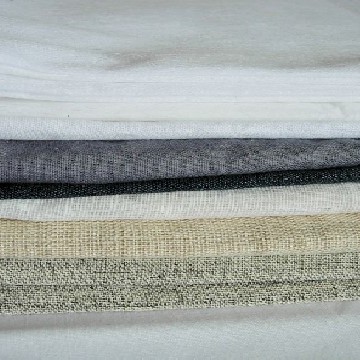
  • Colour: White, black, grey, or beige

Always test interfacing on a fabric scrap first. Make sure it doesn’t show through or negatively affect the fabric’s colour, drape, or texture.

Woven Interfacing

Woven interfacing behaves like regular fabric and must be cut on the same grain as your garment pieces. It’s especially helpful for bias-cut sections, providing stability while allowing natural movement. Woven interfacing is often used in tailored garments where shape and precision are key.

Non-Woven Interfacing (Spun-Bonded)

Non-woven interfacing has no grain, so you can cut it in any direction. It doesn’t fray and is easy to use, making it popular with beginners. However, it can restrict stretch on bias sections, so woven interfacing may be a better option in those cases.

Knitted Interfacing

Knitted interfacing is designed for use on stretch fabrics. It maintains flexibility and should be applied so that the stretch runs in the same direction as the garment fabric. It’s ideal for jersey, ponte, and other knit fabrics.

Choosing the Right Colour

Most non-woven interfacings come in white or black. Choose the one that most closely matches your fabric to avoid “show-through.” For red or other mid-tones, test both light and dark options. Tailoring interfacings (like canvas) are available in neutral shades such as grey or beige.

Fusible Interfacing

Fusible interfacing is coated with a glue layer that melts under heat and steam. The glue side looks shiny or has tiny raised dots — this side should face the wrong side of your fabric.

How to Apply Fusible Interfacing

  1. Place the glue side down on your fabric’s wrong side.
  2. Tack gently using the iron tip to hold it in place.
  3. Cover with a damp pressing cloth to prevent glue transfer.
  4. Use a patting motion with firm pressure across the entire piece.
  5. Press again from the right side to strengthen the bond.

Fusible interfacing isn’t suitable for all fabrics. Avoid using it on heavily textured or heat-sensitive materials like velvet, tweed, acetate, or some silks. In those cases, opt for a sew-in variety instead.

Sew-In Interfacing

Sew-in interfacing is perfect for fine, delicate, or thick fabrics, and is widely used in traditional tailoring. You can also use silk organza, fine cotton, or an extra layer of the garment fabric itself. Just ensure that the weight and care instructions of both fabrics are compatible.

How to Apply Sew-In Interfacing

  • Cut interfacing to the same size and shape as the pattern piece.
  • Machine-tack the interfacing just beyond the seamline (don’t backstitch).
  • Construct the garment as normal, treating the layers as one.

Where to Learn More About Interfacing Types and Uses

If you’d like to develop your garment construction skills further, join one of my popular Dressmaking Courses. You’ll gain hands-on practice with applying interfacing and build the confidence to sew professionally finished garments.

You can also explore the full range of interfacings on Vlieseline’s official website — they offer over 600 products!

Conclusion

Understanding the different interfacing types and uses is key to creating garments that hold their shape and look polished. Whether you choose fusible or sew-in, woven or non-woven, the right interfacing supports your fabric in all the right ways.

Download my pdf: Interfacing Types and Uses

#SewingTips #SewingBlog #SewingCommunity #SewingEducation #SewingForBeginners
#Interfacing101 #AllAboutInterfacing #SewingWithInterfacing #InterfacingTips #InterfacingTypes
#DressmakingTips #SewingTechniques #GarmentConstruction #SewingSkills #SewingKnowHow
share:
Categories

Sewing Machine Bobbins

There seems to be a common belief that sewing machine bobbins are interchangeable between machines.  Perhaps this stems from the fact that you can buy them ready-wound?

If bobbins are causing you grief — loose stitches, bird‑nesting or uneven tension — you’re not alone. These are some of the first things we troubleshoot in my Beginners Sewing Classes, where you’ll learn how to wind, insert and adjust your bobbin correctly.

share:
Categories

Childrens’ Summer School – Sewing Classes for Children

Children’s sewing courses

Does your child want to learn to sew? Are you looking for some creative classes for the school holidays? Then here is your answer!  During my week-long summer schools, I hold a series of children’s sewing classes. These are an ideal activity for school holidays. Firstly I’ll cover how to use sewing machines safely. Then we’ll make some decorative bunting, tote bags and other fun craft projects for children.

share:
Categories

Sewing Classes & Workshops – July 2016

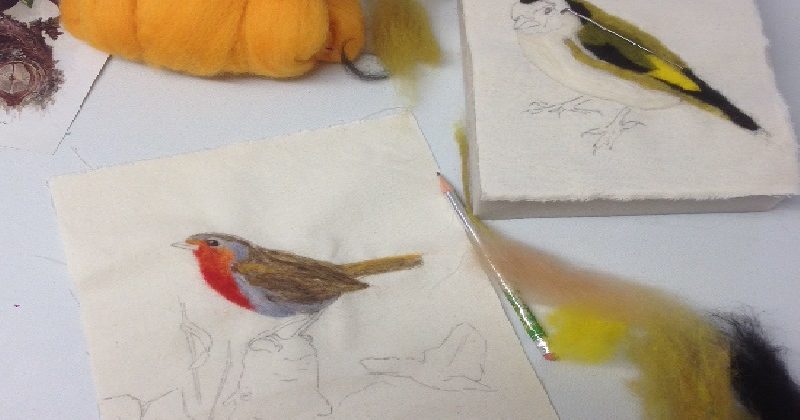
Here’s a rundown of the sewing classes and workshops happening at Artisan Stitch throughout July.  So if you’re on holiday in Edinburgh and looking for something different and fun to do, why not try a new hobby like Feltmaking, or make a gorgeous wrap skirt?  Easy to make and even easier to wear!

share:
Categories

Has the Great British Sewing Bee inspired you to sew?

If the new series of the Great British Sewing Bee has inspired you, then here are ten more reasons why you should learn to sew.

share:
Categories

How to choose sewing thread

How to choose Sewing Thread

Another year almost gone and I’ve just got time to squeeze in a final blog post. Possibly the subject I’ve been asked about most this year is How to choose the correct machine sewing thread?

share:
Categories

Another Month Flown Past! Christmas-Themed Sewing Classes

Another Month Flown Past!

Christmas-Themed Sewing Classes

Yikes it’s almost December. November has flown past! It’s been a busy month at Artisan Stitch, what with the Christmas-themed sewing classes running and the end of another term for the Dressmakers. Read on to find out what’s been happening at Artisan Stitch.

share:
Categories

Start ’em Young. Sewing Classes for Children.

Start ‘Em Young: Why Children Should Learn to Sew Early

Sewing classes for children have always been an important part of my teaching programme. I learned to use a sewing machine at the age of seven, and it shaped everything that came after — confidence, creativity, independence, and eventually a career. So I’m a firm believer that children should learn to sew when they’re young (boys and girls alike). It’s a life skill that stays with them forever.

Bridging the Generation Gap

These days, though, there’s often a generation gap. Many parents didn’t learn to sew at school, and home sewing skipped a generation. But that doesn’t mean today’s parents can’t support their children. Skills can be learned at any age, and it’s never too late to “backtrack” and pick up the basics. In fact, that’s exactly why I now run Family Sewing Classes – so adults and children can learn together, build confidence side by side, and make sure young sewists have someone at home who understands the essentials.

A Family Sewing Session at Artisan Stitch

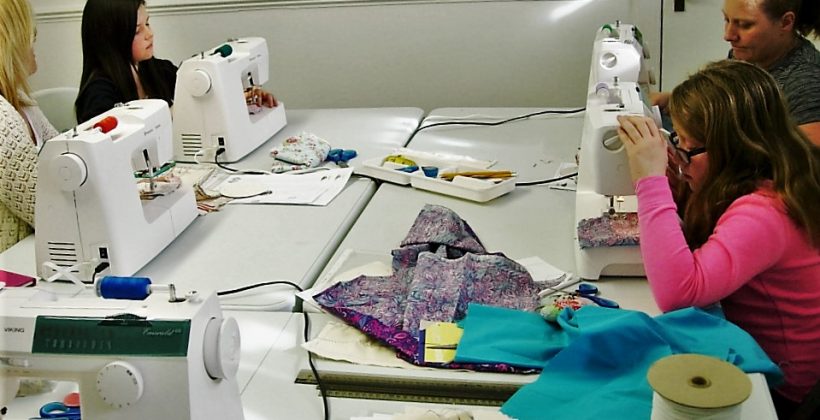
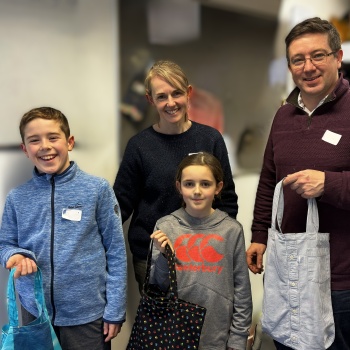
Recently at Artisan Stitch, I held one of these sessions for children and their parents. To join, you had to be under 16 and bring a parent (or guardian). Sophie (9) and Libby (12) arrived with their mums, Jen and Jackie, and both girls threw themselves into the lesson with huge enthusiasm. They completed their sewing practice sheets, then passed their Sewing Machine Driving Tests with distinction.

A Prickly Project

Our project for the day was pincushions — colourful, practical, and perfect for beginners. By the end of the morning we had a cheerful collection of finished pieces, and everyone (including me) thoroughly enjoyed themselves. I’m expecting to see both girls back in the studio soon… and perhaps their mums too.

If you’d like to explore sewing as a shared activity, my Family Sewing Classes are designed exactly for this — a relaxed, supportive way for children to learn safely, with an adult who can help them at home.

Update

Since that first class, Sophie has continued her sewing journey and completed her Level 2 week. She’s also joined Young Embroiderers, the youth section of the Embroiderers’ Guild (Edinburgh Branch). Her mum, Jen, now helps out at the sessions and has discovered a love of embroidery herself. Sophie is determined to become a fashion designer — and she’s well on her way.

Libby also returned for further lessons, making make‑up bags and cushions. She even set up a little business selling her make‑up bags in the school playground at lunchtime — a young entrepreneur in the making.

share: