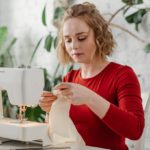
Sewing is a wonderful life skill for children — but it’s also a craft that needs supervision, patience and a bit of technical know‑how. That’s why I no longer run children‑only sewing classes. Instead, I offer Family Sewing sessions, where a parent or guardian learns alongside their child.
This approach gives young sewists the fun, creative experience they’re looking for, while ensuring they have the support they need at home to continue safely and confidently.
Why I teach sewing this way
Children are enthusiastic and imaginative, but sewing machines involve sharp needles, moving parts and techniques that require focus. When an adult learns too, it means:
- the child has safe supervision at home
- the adult understands the technical steps children often find boring or tricky
- both can work together on projects between classes
- skills develop more naturally and confidently over time
It’s exactly how many of us learned — including me.
What happens in a Family Sewing class
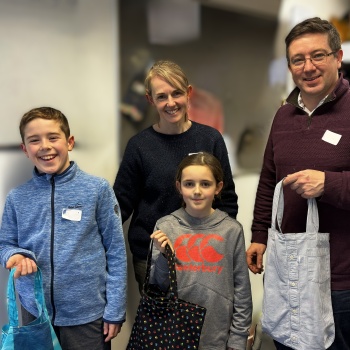
Family sessions are relaxed, friendly and designed to give children a positive first experience of sewing. We focus on:
- simple, achievable projects
- safe machine handling
- basic stitching skills
- building confidence and creativity
Meanwhile, the adult learns the essential technical foundations that help support the child’s progress.
Why Sewing Makes Wonderful Family Time
Upcycling & Resourcefulness
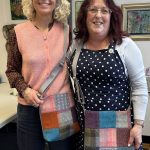
A big part of our Family Sewing Classes is learning to use what we already have. Many of our projects are based on upcycling — turning old jeans into aprons, transforming worn denim into patchwork bags or cushions, and giving tired textiles a brand‑new life. It’s a fun, creative way to teach resourcefulness and to show children that caring for the planet isn’t abstract — it starts with small, everyday choices. They learn about climate change in school; upcycling helps them see the practical actions they can take at home.
Screen‑Free Time Together
Sewing is also an essential life skill — something everyone should be able to do, even in a small way. It teaches problem‑solving, patience and practical creativity, and it can be wonderfully calming for both adults and children. These classes offer a rare chance to step away from screens and spend time making something together. And instead of everyone rushing off to separate activities, drop‑offs and pick‑ups, it’s a simple, affordable way to slow down, save money and reconnect.
Building Confidence & Easing Anxiety
Crafting side by side eases anxiety, builds confidence and strengthens family bonds in a way that feels grounding, creative and genuinely enjoyable. It’s the kind of shared time that stays with you long after the class ends — just as my own early memories of sewing with my mum sparked my lifelong love of the craft and the time we spent together.
Who these classes are for
Family Sewing is ideal for:
- children aged around 8–12
- parents or carers who want to learn too
- complete beginners
- anyone who wants a fun, shared creative activity
Why I don’t offer children‑only classes anymore
A occasional two‑hour class isn’t enough for a child to sew independently. They need guidance at home – threading, tension, troubleshooting, safe machine use – and that’s only possible when an adult has the skills too.
Family classes ensure everyone succeeds.
A Note for Grown‑Ups
If you’d like to build even more confidence with your sewing, my Beginners Sewing Course for adults is the ideal next step. It covers the technical skills that children don’t always have the patience for — threading, tension, troubleshooting, seams, finishing techniques and more. When adults understand these foundations, it becomes much easier to support children as their skills grow. You learn first, then pass it on when they’re ready. It’s a lovely way to keep the craft alive and share it across generations.
Choosing a Sewing Machine That Works for the Whole Family
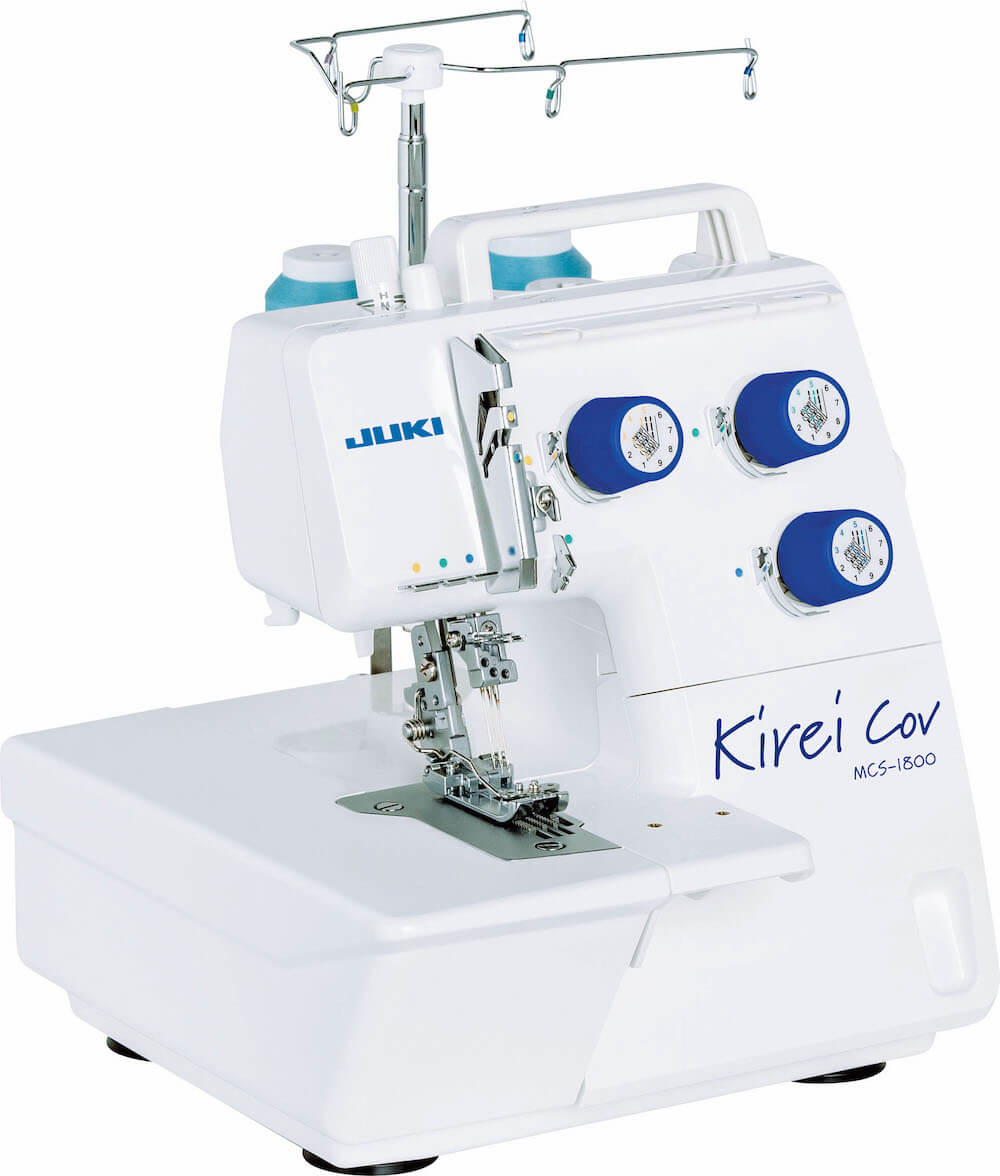
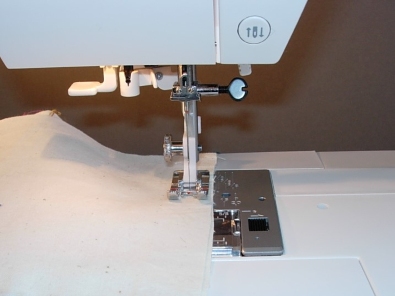
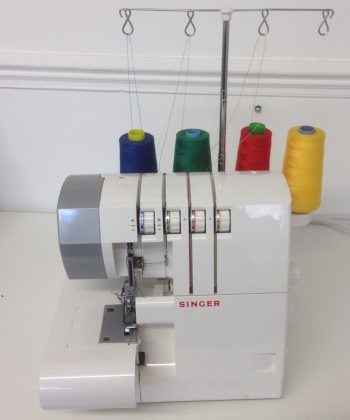
If you’re thinking about sewing more at home, it’s worth choosing a machine that’s genuinely up to the job. The very cheap plastic “kids’ machines” you see online or in supermarkets are more like toys — they can’t handle real sewing, they don’t last, and they often put beginners off before they’ve even started. A good family machine should be sturdy enough for mending, taking up jeans, simple dressmaking and all the upcycling projects children love. I’ve reviewed a range of reliable models that offer great value without the frustration, and I always recommend buying from a specialist retailer who can give proper advice and after‑sales support.
Read my Sewing Machine Reviews:
Alfa Practik 9 – the kids will love this brightly-coloured one!
Husqvarna Emerald 118 – a grown-up machine that’s easy for kids to use
Visit Pembertons Sewing Machine Centre – they’re a specialist retailer with a wide range of reliable, good‑quality machines. Their experienced and friendly staff will help you choose a model that the whole family will enjoy using for years to come. It’ll be sturdy enough for mending, taking up jeans, upcycling projects and all the everyday sewing jobs those plastic toy machines simply can’t handle. Don’t forget to check our their pre‑loved section too — every machine is safety‑checked, serviced and sold with a warranty.