Categories

Sewing for Mental Health: How Stitching Supports Your Wellbeing

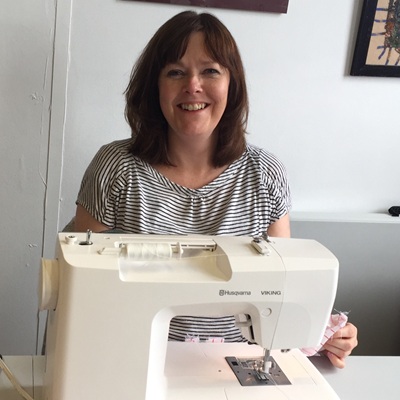
“Sewing for mental health” might sound like a trend, but in truth, it’s a time-tested way to improve emotional wellbeing, build resilience, and connect with others through creativity.  In the hustle and bustle of everyday life, it’s easy to forget to take time for yourself. But carving out a little space in your week to sew can do far more than help you finish that cushion cover or shift dress — it can have a profound impact on your mental and physical wellbeing.

At Artisan Stitch in Edinburgh, we see it every day. Our sewing classes aren’t just about learning to thread a machine or perfect a French seam — they’re little pockets of calm, creativity, and community. Here’s why sewing is so good for the soul.
share:
Categories

Sewing Sustainably: A Stitch Towards a Greener Future

In recent years, sustainability has become a hot topic in the fashion and crafting worlds. Whether you’re a seasoned sewist or a beginner with a needle and thread, learning to sew sustainably can have a lasting, positive impact on the environment. By making mindful choices, you can reduce waste, upcycle materials, and craft unique, long-lasting garments that are both beautiful and eco-friendly. Here are some top tips to make sure you’re sewing sustainably:

share:
Categories

Beginners’ Guide to Overlockers

Overlockers used to be a little known tool limited to factories, professional dressmakers or very keen amateurs, but practically unheard of by Beginner Sewists.  But probably because of exposure on TV programmes and social media, they’ve experienced an explosion in popularity in the last few years. They are now very much an essential tool for many home sewers. However, they’re not so easy to use ‘out the box’ than sewing machines and require the user to develop a whole new set of skills.  Not surprisingly, there’s a lot of confusion about their use. I’ve written this Beginners’ guide to overlockers to answer many of the most common questions and dispel the myths. Note: In the USA, overlockers are known as sergers.

share:
Categories

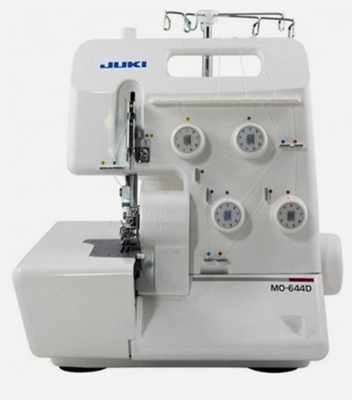
Juki MO-644D Overlocker review

When it was time to buy a new overlocker for the studio, there was only one place I was going to go. And that of course was Pembertons, my trusted specialist supplier for almost 30 years. So after considering my requirements: Andrew recommended the Juki MO-644D.  I then spent a fun 90 mins putting it through its paces.

share:
Categories

Sewing bad habits you should avoid

Sewing Bad Habits

Everyone has sewing bad habits.  Some of these I can smugly say that I never do. But there are a couple of these 12 sewing crimes that I’ll admit to committing in the past. Now I’m teaching of course, I focus on best practice. The best way to avoid these bad habits is to start with solid foundations. When you learn the correct techniques from the beginning, everything becomes easier — threading, tension, accuracy, fabric handling, even confidence at the machine. That’s why in my Beginners Sewing Classes and Dressmaking Courses I focus on building good habits right from the start, so you don’t have to unlearn anything late. How do you measure up with my ‘Dirty Dozen’? Are you guilty as charged?

share:
Categories

Sewing jersey fabric

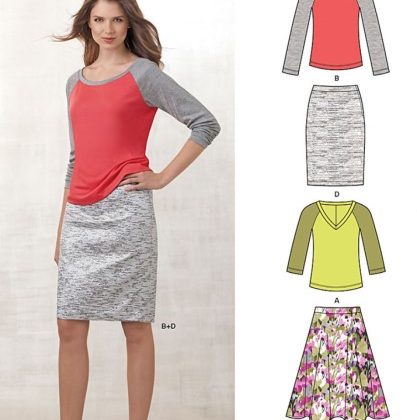
Sewing jersey fabric can be fun and very satisfying.  You can make all types of clothes from T-shirts, leggings, dresses, tunics, pyjamas and more.  Jersey fabric is soft to wear, drapes well, and tends to crease less than wovens. Garments are easy and quick to make but sewing with jersey knit has certain challenges. Be aware of that and know how to handle them, they can revolutionise your sewing. So read on to know how to recognise jersey knit fabric, and what to do with it.

share:
Categories

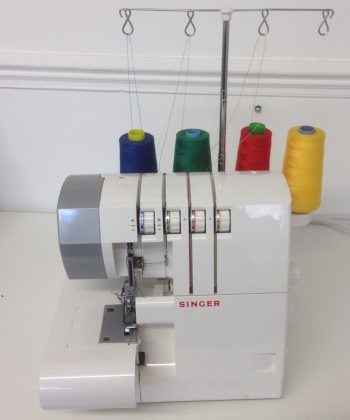
Singer Overlocker 14SH754 Review

Singer Overlocker 14SH754 Review

I recently bought a Singer Overlocker 14SH754 for use during the Dressmaking courses. The price in my local budget supermarket was tempting and I got curious.  If you want to sew jersey fabric, then you can’t beat an overlocker. I’ve been an overlocker user for over 30 years, (25 of those have been using my faithful old Pfaff). Overlockers used to cost around £400  for the most basic models, with more advanced, robust machines costing £500-£2000. Therefore I was sceptical when I got a tip-off that Lidl would be selling the Singer Overlocker 14SH754 for £129. I immediately did as I usually do to check out gadgets and looked up prices and reviews online.
Note: The Singer Manufacturing Company folded in 1979 and all their factories were demolished. The name was revived in the 1990’s by a business consortium who licensed the name. The name has been sold on more than once and is now SVP Worldwide (Singer Viking Pfaff)  It bears no relation to the original Singer name and unfortunately, neither do their machines. In my almost 12 years as a sewing tutor, I have experienced many modern Singer machines, both regular sewing machines and overlocker. I’m afraid my view is that they are poor quality, extremely troublesome and not worth the money.
*Before you read on any further, please skip to the bottom to read the update August 2018*

share:
Categories

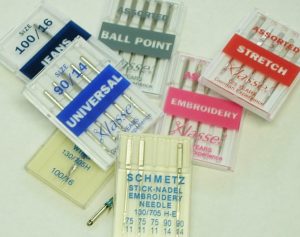
Get to the Point! How to choose the best sewing machine needles.

How to choose the best sewing machine needles.

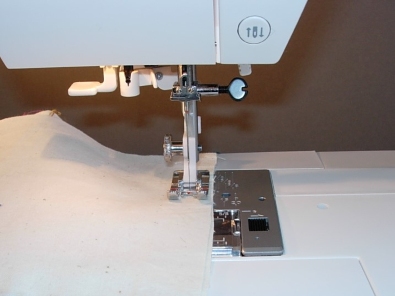
Sewing machine needles come in an assortment of types and sizes. Using the correct needle is important to achieve a successful outcome to your sewing project. The wrong size or type of needle can cause breakages of either needles or thread. Uneven or skipped stitches, and snags or holes in the fabric are also symptoms of the wrong needle. You should choose your needle firstly according to the purpose/project, the fibre-type and fabric construction, then the fabric weight.

share: