In recent years, sustainability has become a hot topic in the fashion and crafting worlds. Whether you’re a seasoned sewist or a beginner with a needle and thread, learning to sew sustainably can have a lasting, positive impact on the environment. By making mindful choices, you can reduce waste, upcycle materials, and craft unique, long-lasting garments that are both beautiful and eco-friendly. Here are some top tips to make sure you’re sewing sustainably:
1. Choose Natural and Organic Fabrics
When selecting fabrics, opt for natural fibres such as cotton, linen, hemp, or wool, which are biodegradable and have a smaller environmental footprint compared to synthetics like polyester or nylon. However, not all natural fabrics are created equal. Look for organic certifications, such as GOTS (Global Organic Textile Standard) to ensure that the fibres are grown without harmful pesticides or chemicals. OEKO-TEX® MADE IN GREEN (read the entire blog on the OEKO-TEX® Ratings system) labelled products can be tracked as our label provides supply chain traceability, ensuring that each step – from production to the final product – is built on rigorous testing standards. Organic fabrics may be slightly more expensive, but they are kinder to both the environment and your skin.
2. Upcycle and Repurpose Materials
One of the most effective ways to sew sustainably is by upcycling. Instead of buying new fabric, why not repurpose old clothes, bed sheets, or charity shop finds? Vintage fabrics can give your projects a unique flair, and you’ll reduce textile waste by breathing new life into otherwise discarded items. Jeans can become stylish bags, and old curtains can transform into a chic summer dress—your creativity is the only limit!
3. Repair what you already own
Repairing your existing clothing is one of the simplest and most powerful ways to sew sustainably. A loose hem, a popped seam, a missing button — these tiny fixes can add years to the life of a garment and keep it out of landfill. And once you know a few basic techniques, repairs become quick, satisfying, and surprisingly empowering. If you’d like to build those skills, my Beginners Sewing Classes offer a friendly introduction to simple mending and garment care.
4. Buy Only What You Need
We’ve all been guilty of buying too much fabric because we “might need it later.” But over-purchasing leads to unnecessary waste. Before you head to the fabric shop, plan your projects and make a list of the exact materials you need. This way, you’re less likely to accumulate a pile of unused fabric that could eventually end up in landfill. Most patterns are fairly generous in the amount of fabric they instruct you to buy. Cut out your pattern and do any adjustments BEFORE you go to buy your fabric. If you need to shorten your garment, that can save a surprisingly large amount of fabric. With a little bit of experience you’ll be able to come up with alternative cutting layouts so you can buy less than the recommended amount. You can use scrap fabric for smaller projects like patchwork, accessories, or even as stuffing for cushions.
5. Deadstock Fabrics: A Sustainable Option?
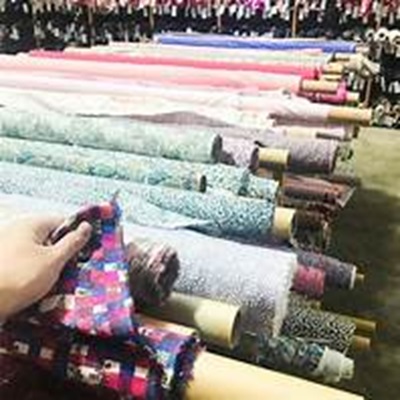
These fabrics are often marketed as an eco‑friendly choice, and in many cases they can be — but the reality is a little more nuanced. “Deadstock” usually refers to surplus fabric left over from the fashion industry: end‑of‑roll pieces, cancelled orders, colour variations, or materials that didn’t meet a manufacturer’s exact specifications. Buying these fabrics can prevent them from being incinerated or sent to landfill, which is undeniably a good thing.
However, deadstock isn’t always the sustainability hero it appears to be. Some brands now produce “deadstock” deliberately because they know it sells well to conscious consumers. And because deadstock is often untraceable, it’s hard to know how it was made, what chemicals were used, or whether it meets any safety or environmental standards.
That said, for home sewists, deadstock can still be a thoughtful choice — especially when you’re using it to create garments you’ll wear and love for years. It’s a way of giving existing materials a second life, reducing demand for new production, and supporting small independent suppliers who rescue these fabrics from waste streams.
6. Use Eco-Friendly Sewing Tools
Sewing sustainably isn’t just about the fabric; it’s also about the tools you use. Consider switching to biodegradable or recycled materials for your tools. Wooden or bamboo sewing needles and buttons, thread made from recycled plastic bottles, and metal pins are all great eco-friendly alternatives. It’s worth noting, however, that wooden and bamboo needles are primarily used for hand embroidery, knitting, and crochet projects, as they tend to be thicker and work well with yarns. For finer sewing, metal needles are still the only option due to their precision but can be recycled.
Opt for reusable metal bobbins instead of plastic ones (check your sewing machine requirements first). You’ll probably only need around 12-20 bobbins. There’s no need to wind a bobbin full of every thread colour you own then store them together with those little clips (more unnecessary plastic). You can wind a bobbin with the thread you’re going to need for your project, then re-fill that bobbin for the next project.
This doesn’t mean throwing out everything and buying again though. If you’ve already got plastic items, then keep them until they really need replacing and buy more sustainably next time.
Less is more
First and foremost though, be mindful about what sewing gadgets you actually need. The shops are full of what haberdashery companies make you believe are essential, but are they really? People have been sewing sustainably, creating beautiful, professional-quality items for over 100 years without having lots of gadgets. It’s the skill you develop in sewing that gives the high-quality finish. See my blog post ‘To have or have not’ for my guide to essential sewing tools.
For example, one of the ‘latest must-have’ gadgets is the ‘hot ruler’. I admit to only learning recently this was ‘a thing’. Apparently it’s a piece of thin plastic that you can iron over, for which they will relieve you of up to £9.99. It’s use is for pressing hems, but I’ve managed to survive through my long sewing career using a piece of card from a cereal box with a few guidelines drawn on. Not only is this adaptable (you can draw whatever measurement you want on it, and just add a new one as required, but it also doesn’t retain heat and can be picked up immediately after ironing. The plastic ones are too hot to touch for up to a minute after ironing over.
Try to avoid single-use products like fabric marking pens; chalk pencils (trad-style wooden ones) are more sustainable. Although chalk pencils are my favourite marking tools, I have a fondness for heat-erasable (iron-off) pens and the wash-out ones so I’ll need to change my behaviour.
7. Focus on Quality, Not Quantity
Fast fashion encourages over-consumption and waste, but sewing allows you to focus on creating high-quality, durable pieces. Instead of churning out multiple garments, focus on making fewer items that are well-crafted and will last for years. Choose classic styles that can be worn season after season, and make sure your seams, hems, and finishes are strong. This mindset shift from quantity to quality will ensure that your handmade garments are cherished for years to come. If you’re keen to move beyond quick makes and start creating garments with real quality and longevity, my Dressmaking Courses — including Better Dressmaking and Dressmaking Techniques: Beyond Basics — are a great next step.
8. Mind Your Waste
During any sewing project, scraps and offcuts are inevitable. However, instead of tossing them into the bin, collect them for future use. You can use even the smallest bits for patchwork or stuffing. You could also donate excess fabric to schools, charity organisations, or other sewists who might put them to good use. There are an increasing number of ‘Zero-waste’ patterns around, where you use every part of the fabric. However, the styles are quite ‘blocky’ and rectangular and don’t suit everyone. Personally they’re not for me. I don’t see the problem in having fabric left-overs if you use them in other projects. Check out my range of creative textile workshops. ‘Scrappy Patchwork Cushion’ and ‘Rags to Riches’ teach youfor imaginative ways to use your scraps.
Conclusion
Sewing sustainably is not only rewarding but also a significant step towards reducing your carbon footprint and promoting mindful consumption. Making thoughtful choices about the materials and tools you use. By focusing on upcycling and quality, you’ll contribute to a greener, more sustainable future – one stitch at a time.