Categories

My Accidental Journey into Creative Textiles

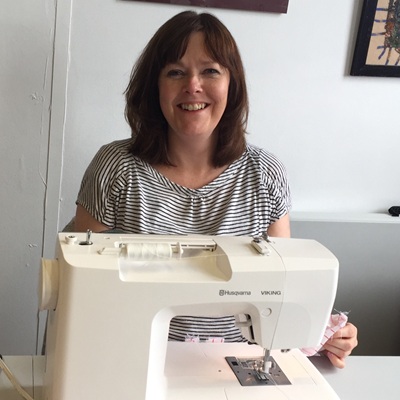
If you’d told me years ago that my creative textiles journey would lead me to teaching for a living… I would never have believed you. In fact, I didn’t even know what stitched textiles meant when I first enrolled on my HND course. I simply knew one thing: I needed to escape my pensions job and find something creative, something hands‑on, something that felt like me.

The title of the course was ‘Stitched Textiles and Fashion’. At the time, I imagined the course would be mostly fashion, pattern cutting, and garment construction – a practical route into a new career. What I didn’t realise was that signing up for that course would open a door I didn’t even know existed.

It would lead me into the world of creative textiles.

Starting with No Art Background at All

I’ll be honest: I had virtually no art experience. Not at school. Not at home. Not anywhere.

I wasn’t one of those people who grew up sketching, painting, or filling notebooks with ideas. I didn’t think of myself as “creative”, and I certainly didn’t think I had any artistic ability. Even now, I still feel that gap sometimes.

But that’s exactly why creative textiles spoke to me.

Because suddenly, creativity wasn’t about drawing. It wasn’t about being able to sketch a perfect figure or paint a realistic landscape. Instead, it was about:

  • texture
  • colour
  • layering
  • mark‑making
  • experimentation
  • letting materials guide you

For the first time, I realised that creativity could come from your hands, not your pencil.

Discovering Stitched Textiles – and a New Way of Seeing

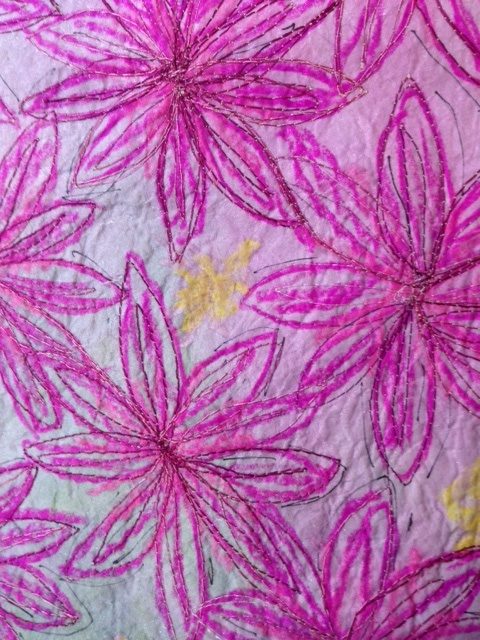
When the course began, I quickly discovered that stitched textiles was a completely different world from dressmaking. It was expressive, tactile, and wonderfully freeing. Instead of following patterns, I was encouraged to explore surfaces, create textures, and experiment with stitch as a form of drawing. I learned the wonderfully-tactile craft of wet-feltmaking. We learned how to colour our own fabrics using Procion dyes and add pattern with printing inks. And the absolute revelation for me: Free-Motion Embroidery! My life hasn’t been the same since.

A huge part of that shift came from being taught by Rosemary Campbell (Rose) – already a renowned textile artist at the time, and now a nationally (and arguably internationally) recognised figure. She’s a founding member of EDGE Textile Artists Scotland, a member of the Textile Study Group, and an influential voice in contemporary stitched textiles.

Learning from Rose was transformative. She didn’t just teach techniques – she taught ways of seeing. She showed us how stitch could be expressive, how fabric could hold emotion, and how creativity could grow from curiosity rather than confidence.

How Free‑Motion Embroidery Transformed My Creative Textiles Journey

When I first discovered Free‑motion embroidery, it was a revelation. It felt like sketching with thread – fluid, intuitive, and forgiving. I was hooked. Using a sewing machine as a creative tool had never occurred to me before. I began to understand that textiles could be a medium for art, not just a material for clothing. That shift changed everything for me.

Creativity as a Practice, Not a Talent

One of the most important lessons I learned was this: creativity isn’t something you’re born with – it’s something you grow.

You don’t need formal art training. You don’t need to be able to draw. You don’t need to know the “rules”.

You just need curiosity, a willingness to play, and the courage to try.

That realisation shaped not only my own practice, but also the way I teach.

Why I Design Workshops for People Like Me

Because I didn’t come into creative textiles with confidence, I understand exactly how intimidating it can feel. That’s why my workshops are designed for people who:

  • think they “can’t draw”
  • feel they’re not artistic
  • want to be creative but don’t know where to start
  • prefer hands‑on exploration to traditional art techniques

My aim is to create a space where anyone can discover the joy of creative textiles – without fear, pressure, or perfectionism.

If you can hold a needle, you can make something beautiful. If you can stitch a line, you can create art. If you can play, you can create.

If you’re completely new to sewing, my Beginners Sewing Classes are a gentle, confidence‑building way to learn how to use a sewing machine before exploring creative textiles.

A Creative Life I Never Expected

Looking back, enrolling on that HND course was one of the best decisions I ever made — even if I didn’t fully understand what I was signing up for at the time. It led me into a world of colour, texture, and expression that I didn’t know I needed.

It gave me a creative life. It gave me a community. And it gave me the chance to help others discover their own creative spark.

Begin your own Creative Textiles Journey

If you’re standing where I once stood – longing for something creative, unsure where to begin, convinced you “can’t draw” -then you’re already on your way. Creative textiles has room for you, just as it had room for me.

You’re always welcome to join me in the studio and start your own creative textiles journey.

If you’d like to explore free‑motion embroidery – the gateway skill that opens up the whole creative textiles journey – my online course ‘Expressive Free-Motion Techniques‘ lets you learn at home, in your own time, with clear, encouraging lessons you can pause and revisit whenever you need.

I founded Artisan Stitch because I wanted to create the kind of learning space I wish I’d had when I was starting out — a place where ordinary sewers could discover that creativity isn’t reserved for artists, and that sewing is so much more than taking up hems. The name reflects that belief: artisan for the joy of making with your hands, and stitch for the simple act that begins every creative textiles journey. I’m proud that this approach has been recognised with awards for Best Creative Workshops, but what matters most to me is helping people move from basic skills into expressive, imaginative textile work, and showing them that they’re far more creative than they ever believed.

Links:
EDGE Textile Artists Scotland

Textile Study Group

share:
Categories

Family Sewing Classes

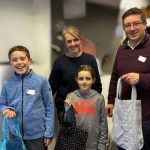
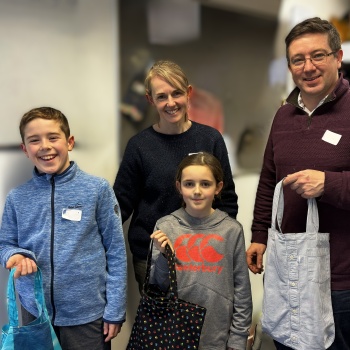
Sewing is a wonderful life skill for children — but it’s also a craft that needs supervision, patience and a bit of technical know‑how. That’s why I no longer run children‑only sewing classes. Instead, I offer Family Sewing sessions, where a parent or guardian learns alongside their child.

This approach gives young sewists the fun, creative experience they’re looking for, while ensuring they have the support they need at home to continue safely and confidently.

Why I teach sewing this way

Children are enthusiastic and imaginative, but sewing machines involve sharp needles, moving parts and techniques that require focus. When an adult learns too, it means:

  • the child has safe supervision at home
  • the adult understands the technical steps children often find boring or tricky
  • both can work together on projects between classes
  • skills develop more naturally and confidently over time

It’s exactly how many of us learned — including me.

What happens in a Family Sewing class

Family sessions are relaxed, friendly and designed to give children a positive first experience of sewing. We focus on:

  • simple, achievable projects
  • safe machine handling
  • basic stitching skills
  • building confidence and creativity

Meanwhile, the adult learns the essential technical foundations that help support the child’s progress.

Why Sewing Makes Wonderful Family Time

Upcycling & Resourcefulness

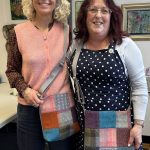
A big part of our Family Sewing Classes is learning to use what we already have. Many of our projects are based on upcycling — turning old jeans into aprons, transforming worn denim into patchwork bags or cushions, and giving tired textiles a brand‑new life. It’s a fun, creative way to teach resourcefulness and to show children that caring for the planet isn’t abstract — it starts with small, everyday choices. They learn about climate change in school; upcycling helps them see the practical actions they can take at home.

Screen‑Free Time Together

Sewing is also an essential life skill — something everyone should be able to do, even in a small way. It teaches problem‑solving, patience and practical creativity, and it can be wonderfully calming for both adults and children. These classes offer a rare chance to step away from screens and spend time making something together. And instead of everyone rushing off to separate activities, drop‑offs and pick‑ups, it’s a simple, affordable way to slow down, save money and reconnect.

Building Confidence & Easing Anxiety

Crafting side by side eases anxiety, builds confidence and strengthens family bonds in a way that feels grounding, creative and genuinely enjoyable. It’s the kind of shared time that stays with you long after the class ends — just as my own early memories of sewing with my mum sparked my lifelong love of the craft and the time we spent together.


Who these classes are for

Family Sewing is ideal for:

  • children aged around 8–12
  • parents or carers who want to learn too
  • complete beginners
  • anyone who wants a fun, shared creative activity

Why I don’t offer children‑only classes anymore

A occasional two‑hour class  isn’t enough for a child to sew independently. They need guidance at home – threading, tension, troubleshooting, safe machine use – and that’s only possible when an adult has the skills too.

Family classes ensure everyone succeeds.

A Note for Grown‑Ups

If you’d like to build even more confidence with your sewing, my Beginners Sewing Course for adults is the ideal next step. It covers the technical skills that children don’t always have the patience for — threading, tension, troubleshooting, seams, finishing techniques and more. When adults understand these foundations, it becomes much easier to support children as their skills grow. You learn first, then pass it on when they’re ready. It’s a lovely way to keep the craft alive and share it across generations.

Choosing a Sewing Machine That Works for the Whole Family

If you’re thinking about sewing more at home, it’s worth choosing a machine that’s genuinely up to the job. The very cheap plastic “kids’ machines” you see online or in supermarkets are more like toys — they can’t handle real sewing, they don’t last, and they often put beginners off before they’ve even started. A good family machine should be sturdy enough for mending, taking up jeans, simple dressmaking and all the upcycling projects children love. I’ve reviewed a range of reliable models that offer great value without the frustration, and I always recommend buying from a specialist retailer who can give proper advice and after‑sales support.

Read my Sewing Machine Reviews:

Alfa Practik 9 – the kids will love this brightly-coloured one!

Husqvarna Emerald 118 – a grown-up machine that’s easy for kids to use

Visit Pembertons Sewing Machine Centrethey’re a specialist retailer with a wide range of reliable, good‑quality machines. Their experienced and friendly staff will help you choose a model that the whole family will enjoy using for years to come. It’ll be sturdy enough for mending, taking up jeans, upcycling projects and all the everyday sewing jobs those plastic toy machines simply can’t handle. Don’t forget to check our their pre‑loved section too — every machine is safety‑checked, serviced and sold with a warranty.

See my upcoming Family Sewing dates

share:
Categories

Seasalt Cornwall: A Thoughtful Approach to Sustainable Fashion

How Seasalt Cornwall manage sustainability.

When it comes to environmentally conscious fashion, Seasalt Cornwall are a brand that consistently demonstrate real commitment rather than surface-level promises. Their approach isn’t built around a single initiative, but this blog reveals how they have a carefully considered strategy woven through the entire business.

share:
Categories

Sustainable Clothing Brands Leading the Slow Fashion Revolution

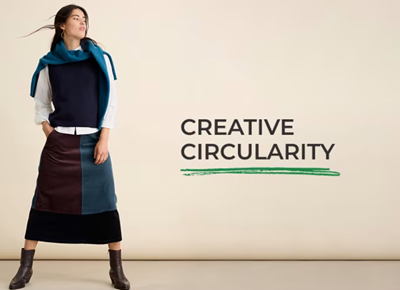
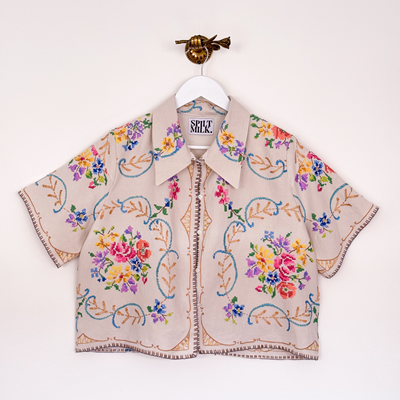
Fast fashion has shaped our wardrobes for years, but a growing number of sustainable clothing brands are proving there’s a better way to dress. These innovative makers transform vintage linens, deadstock fabrics, and pre‑loved garments into beautiful, sustainable pieces — and they’re leading the slow fashion revolution.

Here are six inspiring sustainable clothing brands and why supporting them matters.

share:
Categories

The Great Fast Fashion Recycling Myth

Why Fast Fashion Can’t Be Fixed by Donation Bins

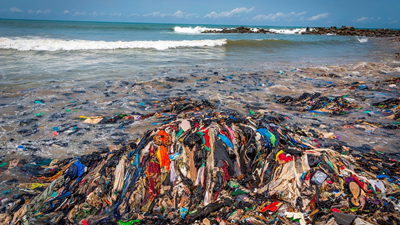
We’ve all stood at the charity shop door with a bag of clothes, feeling virtuous. Dropping them off feels like a responsible act – surely they’ll be sold, reused, or recycled. But the truth is more complicated, and less comforting.

share:
Categories

Sew Much Room for Mushrooms: The Fabric that Grows Itself

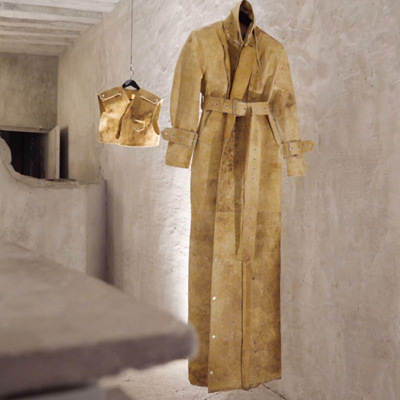
As the fashion and textile industries grapple with environmental impact, a fascinating innovation is emerging from the forest floor: mycelium textiles. Derived from the root-like structure of fungi, mycelium is being cultivated into durable, biodegradable materials that mimic leather and other fabrics—without the environmental cost.

share:
Categories

Sewing for Mental Health: How Stitching Supports Your Wellbeing

“Sewing for mental health” might sound like a trend, but in truth, it’s a time-tested way to improve emotional wellbeing, build resilience, and connect with others through creativity.  In the hustle and bustle of everyday life, it’s easy to forget to take time for yourself. But carving out a little space in your week to sew can do far more than help you finish that cushion cover or shift dress — it can have a profound impact on your mental and physical wellbeing.

At Artisan Stitch in Edinburgh, we see it every day. Our sewing classes aren’t just about learning to thread a machine or perfect a French seam — they’re little pockets of calm, creativity, and community. Here’s why sewing is so good for the soul.

share:
Categories

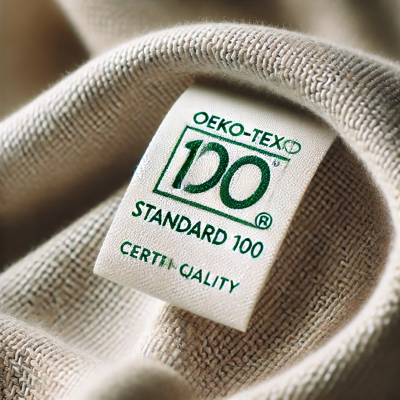
The OEKO-TEX® Rating System

If you’ve ever shopped for fabric or textile products, you may have come across the term OEKO-TEX® on labels or product descriptions. But what does it actually mean? And why should you care?

With growing concerns over harmful chemicals in textiles and the impact of fabric production on our health and the environment, certifications like OEKO-TEX® help consumers make more informed, responsible choices.

In this blog, I’ll explain the OEKO-TEX® rating system in simple terms, so you know what to look for when buying fabric—whether for dressmaking, home décor, or any other sewing projects.

share: