When it comes to environmentally conscious fashion, Seasalt Cornwall are a brand that consistently demonstrate real commitment rather than surface-level promises. Their approach isn’t built around a single initiative, but this blog reveals how they have a carefully considered strategy woven through the entire business.
Sustainable Clothing brands leading the way - Spilt Milk
Fast fashion has shaped our wardrobes for years, but a growing number of sustainable clothing brands are proving there’s a better way to dress. These innovative makers transform vintage linens, deadstock fabrics, and pre‑loved garments into beautiful, sustainable pieces — and they’re leading the slow fashion revolution.
Here are six inspiring sustainable clothing brands and why supporting them matters.
1. Spilt Milk: Shirts Made from Vintage Embroidered Linens
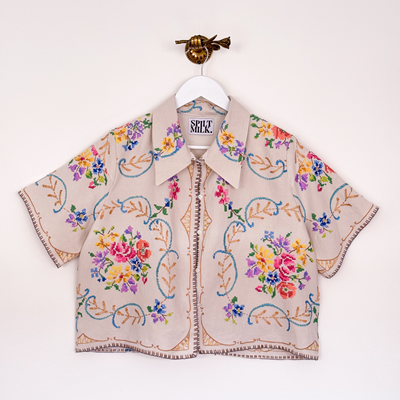
Spilt Milk designer Rosina Hoyland transforms vintage embroidered table linens into beautifully tailored shirts. Each piece is a celebration of domestic textile history, giving new life to fabrics that would otherwise be forgotten. They also sell sewing patterns, and complete ‘Tablecloth kits’ encouraging home sewists to join the upcycling movement.
USP: Every garment is one‑of‑a‑kind, made from textiles with a story.
2. Pikol Clothing: Upcycled Menswear with Character
Pikol Clothing is the menswear equivalent of Spilt Milk. They specialise in menswear crafted from reclaimed and vintage textiles; embroidered tablecloths, patterned linens, and other pre‑loved fabrics. Their shirts and jackets blend heritage craft with contemporary tailoring, resulting in garments that feel both familiar and refreshingly original.
USP: Distinctive menswear made entirely from upcycled textiles; a rarity in the sustainable fashion world.
3. Community Clothing: British-Made, Ethical, and Seasonless
Patrick Grant’s Community Clothing champions UK manufacturing, fair wages, and timeless design. Their garments are made in British factories using locally sourced materials, supporting skilled workers and reviving regional textile industries.
USP: Transparent pricing, local production, and durable essentials designed to last for years.
4. Unfolded: Zero Waste, Made-to-Order Fashion
Unfolded has reinvented the retail model by only producing garments once they’ve been ordered. This eliminates overproduction, reduces waste, and ensures fair pay for workers throughout the supply chain.
USP: A completely waste‑free production model — no leftover stock, no landfill.
5. Deadstock Designers: Limited Editions with Lower Impact
More generally, many independent brands now work exclusively with deadstock fabric — unused rolls left over from the fashion industry. By rescuing these materials, they prevent waste and create limited‑edition collections with a smaller environmental footprint.
USP: Unique fabrics, limited runs, and dramatically reduced textile waste.
From denim rebuilders to creative menders, upcycling studios transform existing garments into something entirely new. These designers deconstruct, rework, and reassemble clothing to extend its life and reduce the demand for new textiles.
USP: Circular fashion at its most creative — keeping garments in use for as long as possible.
Why Supporting These Brands Matters
Lower environmental impact through reduced waste and fewer resources
Ethical production that values skilled makers and fair wages
Higher-quality garments designed to last, not to be discarded
Creative inspiration that encourages us to rethink our wardrobes
These brands aren’t just selling clothes — they’re modelling a better way forward.
What Else Can We Do to Combat Fast Fashion
Buy fewer, better-quality pieces
Mend, repair, and upcycle your existing wardrobe
Choose natural fibres and avoid synthetics
Support local makers and small businesses
Shop second-hand or vintage
Learn to sew — the ultimate act of fashion empowerment
Every small choice contributes to a more sustainable, thoughtful fashion culture.
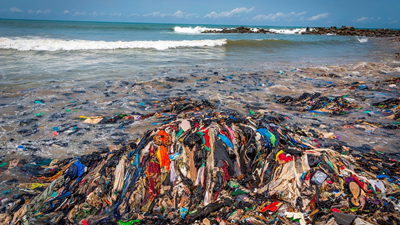
The reality of some high street chains 'recycling' programmes.
Why Fast Fashion Can’t Be Fixed by Donation Bins
We’ve all stood at the charity shop door with a bag of clothes, feeling virtuous. Dropping them off feels like a responsible act – surely they’ll be sold, reused, or recycled. But the truth is more complicated, and less comforting.
When people think of sewing, they often picture older women quietly stitching away, filling their days with a leisurely hobby. But this stereotype couldn’t be more outdated! Sewing is a complex, skill-rich activity that has surprising parallels to high-pressure professional environments like finance, management, accountancy, and academia. In fact, the skills honed in sewing are not just artistic—they’re deeply practical and transferable to various professional roles. It may just be the skillset to need to gain an edge over your professional rivals.
Artisan Stitch has won Sewing Provider of the Year 2024/25 in the Scotland Prestige Awards, the 3rd consectuive year I've won a Scotland Prestige Award and the 8th award in 5 years.