How to choose Sewing Thread
Another year almost gone and I’ve just got time to squeeze in a final blog post. Possibly the subject I’ve been asked about most this year is How to choose the correct machine sewing thread?
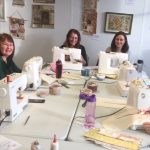
Yikes it’s almost December. November has flown past! It’s been a busy month at Artisan Stitch, what with the Christmas-themed sewing classes running and the end of another term for the Dressmakers. Dana, a dressmaking novice, completed her first ever skirt and it’s absolutely lovely. She even attempted a concealed zip and totally nailed it! Ann is using the class to learn patterncutting and has made her own trouser pattern, and Julie is making a ballgown in red silk.
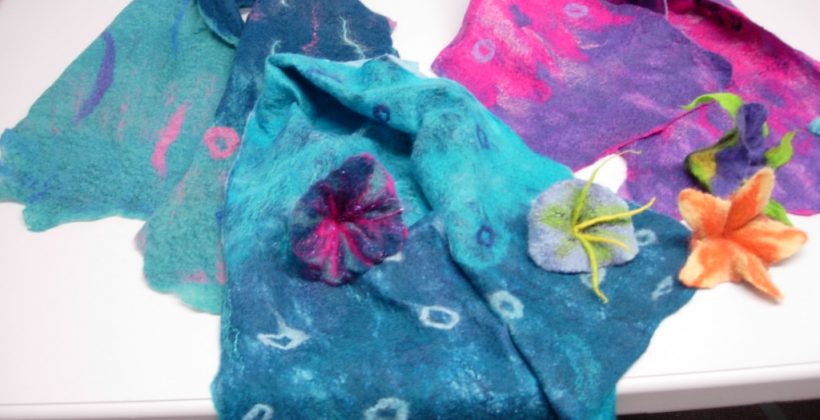
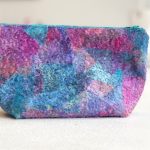
Friday was felting workshop day. Wet-felting is a traditional skill which creates a strong but soft fabric from loose wool fibres. Felt is an ancient fabric; the process dates back thousands of years. It is incredibly hard-wearing and has been used for all manner of items from clothing and footwear to housing!
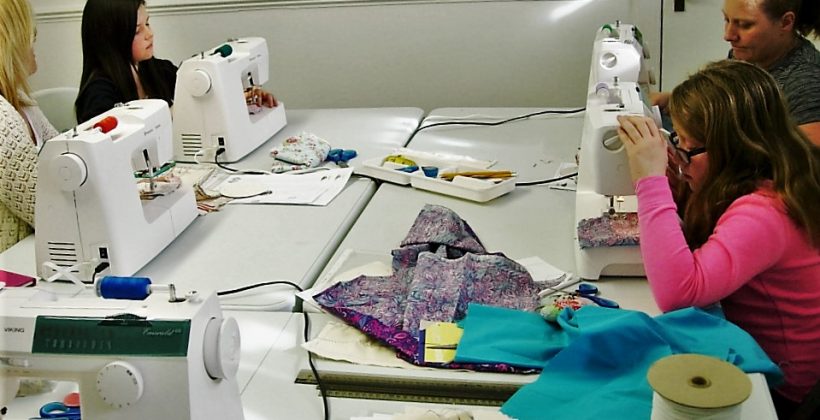
Sewing classes for children are an important part of my class programme. I learned to use a sewing machine at age 7. So I’m committed to the belief that children should all learn to sew when they’re very young (girls and boys!)
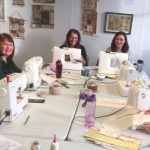
This week at Artisan Stitch, I held one of my sewing classes for children, or rather for children and their parents ( to qualify you had to be under 16 and bring your Mum). Attending were Sophie, aged 9, and Libby aged 12, with their Mums Jen & Jackie. Both girls threw themselves into the lesson with enthusiasm and completed their sewing practice sheets, then both passed their Sewing Machine Driving Tests with distinction.
My schedule of Autumn-Winter sewing classes is here, covering October and November. These include some more of my popular ‘Essential Skills’ classes, now re-named ‘Beginners’ Sewing Skills’. This covers basic sewing tasks like sewing straight seams and how to finish off the raw edges, taking up hems, making neat machined buttonholes, and inserting zips.
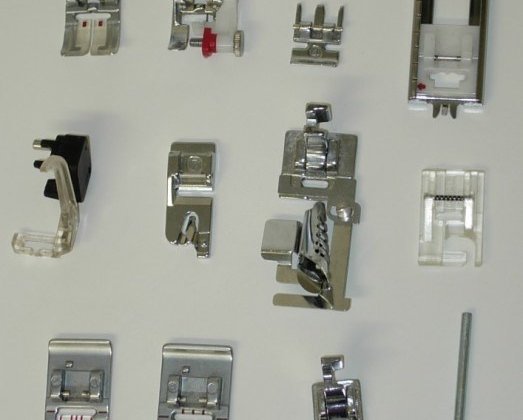
Sewing machine presser feet are specialised for every sewing task and are designed to make your sewing easier. If you don’t use the best foot for the job, then you’re making your life more difficult that it needs to be. When you got your new sewing machine home, did you eagerly unpack it and start sewing, wondering what the bag full of strange little metal and plastic thingies were for? Well these are your sewing machine presser feet. And have you got them out and used any of them since? Or have you struggled on, wondering why the fabric was pulling and puckering?
The first question I need to address with new dressmaking students is ‘How to choose the correct size of pattern’. One of the main problems with commercial paper patterns, is that they are not sized like ready-made high street clothing. Therefore you can’t go into the fabric shop and buy a pattern in your regular dress size. Pattern sizing also varies between the different pattern companies too, so it helps to be prepared when you go shopping for your pattern.