The Recycling Myth: Why Fast Fashion Can’t Be Fixed by Donation Bins
We’ve all stood at the charity shop door with a bag of clothes, feeling virtuous. Dropping them off feels like a responsible act – surely they’ll be sold, reused, or recycled. But the truth is more complicated, and less comforting.
Sewing for Mental Health. How stitching supports your wellbeing
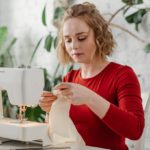
“Sewing for mental health” might sound like a trend, but in truth, it’s a time-tested way to improve emotional wellbeing, build resilience, and connect with others through creativity. In the hustle and bustle of everyday life, it’s easy to forget to take time for yourself. But carving out a little space in your week to sew can do far more than help you finish that cushion cover or shift dress — it can have a profound impact on your mental and physical wellbeing.
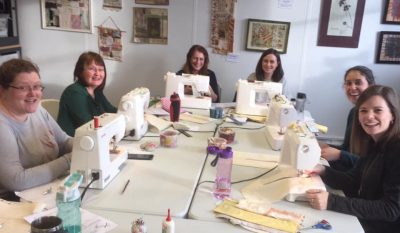
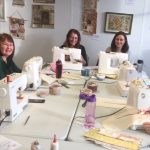
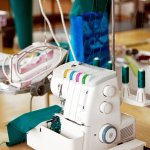
At Artisan Stitch in Edinburgh, we see it every day. Our sewing classes aren’t just about learning to thread a machine or perfect a French seam — they’re little pockets of calm, creativity, and community. Here’s why sewing is so good for the soul.
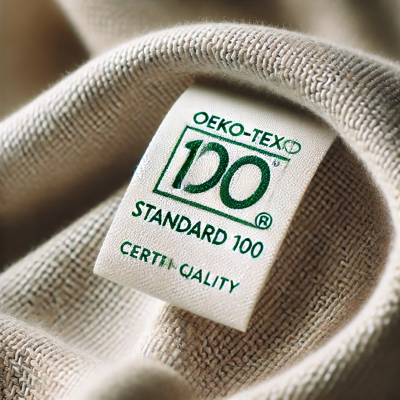
If you’ve ever shopped for fabric or textile products, you may have come across the term OEKO-TEX® on labels or product descriptions. But what does it actually mean? And why should you care?
With growing concerns over harmful chemicals in textiles and the impact of fabric production on our health and the environment, certifications like OEKO-TEX® help consumers make more informed, responsible choices.
In this blog, I’ll explain the OEKO-TEX® rating system in simple terms, so you know what to look for when buying fabric—whether for dressmaking, home décor, or any other sewing projects.
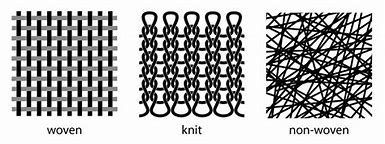
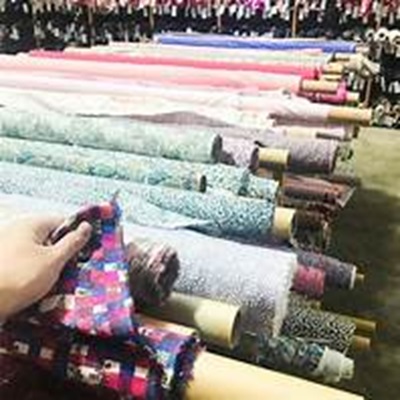
Fabric construction is the foundation of all textiles, determining the look, feel, and behaviour of the fabric. There are two primary methods of fabric construction: weaving and knitting. Both offer a wide range of fabric types, each with unique qualities suited for different purposes. Let’s take a closer look at these methods and some common structures within each.
When people think of sewing, they often picture older women quietly stitching away, filling their days with a leisurely hobby. But this stereotype couldn’t be more outdated! Sewing is a complex, skill-rich activity that has surprising parallels to high-pressure professional environments like finance, management, accountancy, and academia. In fact, the skills honed in sewing are not just artistic—they’re deeply practical and transferable to various professional roles. It may just be the skillset to need to gain an edge over your professional rivals.
In recent years, sustainability has become a hot topic in the fashion and crafting worlds. Whether you’re a seasoned sewist or a beginner with a needle and thread, learning to sew sustainably can have a lasting, positive impact on the environment. By making mindful choices, you can reduce waste, upcycle materials, and craft unique, long-lasting garments that are both beautiful and eco-friendly. Here are some top tips to make sure you’re sewing sustainably:
The Health Benefits of Sewing: Nurturing Mind, Body, and Soul
In a fast-paced world dominated by screens and constant connectivity, finding a hobby that nurtures both mind and body can be a game-changer. Sewing, a timeless craft that has been passed down through generations, offers a myriad of physical and mental health benefits. From honing new skills to fostering creativity, from promoting mindfulness to building social connections, sewing is much more than just a way to make clothes or home decor. It’s a holistic activity that can significantly enhance your well-being.
Man-made fibres, distinct from synthetic fibres, are derived from natural sources, typically plants, and undergo extensive processing to be transformed into usable textiles. This guide delves into their origins, processing methods, properties, benefits, drawbacks, and environmental impact.
Artisan Stitch has won Sewing Provider of the Year 2024/25 in the Scotland Prestige Awards, the 3rd consectuive year I've won a Scotland Prestige Award and the 8th award in 5 years.