Why Fast Fashion Can’t Be Fixed by Donation Bins
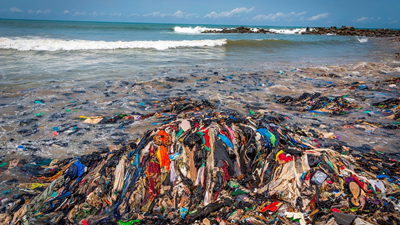
We’ve all stood at the charity shop door with a bag of clothes, feeling virtuous. Dropping them off feels like a responsible act – surely they’ll be sold, reused, or recycled. But the truth is more complicated, and less comforting. The reality of fast fashion recycling is that most garments don’t get a second life. Instead, they expose the cracks in a system overwhelmed by overproduction.
The Recycling Bottleneck
Charity shops and collection bins receive mountains of clothing every week. Yet only a fraction is good enough to resell. Poor-quality fabrics, stretched seams, and mixed fibres mean much of it is destined for “rag”—sold cheaply to textile merchants. Once, this trade supported charities, but oversupply and collapsing overseas markets have slashed the value. Some charities now struggle to cover disposal costs, turning donations into a burden rather than a blessing.
Greenwashing in Action
Big fashion chains have spotted an opportunity. They invite customers to “recycle” old clothes in-store, often with the lure of a discount voucher. It sounds responsible, but in practice, these schemes rarely deliver meaningful recycling. Most garments are shipped abroad, downcycled into industrial rags, or incinerated. True textile-to-textile recycling, where old fibres become new clothes, is still niche, expensive, and technically limited. Yet the marketing gloss suggests otherwise. This is greenwashing: presenting an eco-friendly image without tackling the root problem.
Why Recycling Isn’t Enough
The technical limits are stark. Poly-cotton blends, elastane mixes, and synthetic fibres are notoriously hard to separate. Even when recycling is possible, the process often downgrades the material rather than regenerating it. And with billions of garments produced annually, recycling alone cannot keep pace. The uncomfortable truth is that the most sustainable garment is the one already in your wardrobe.
The Real Solution: Less Production, More Value
If we want to change the story, we need to shift focus from recycling to reducing. That means:
- Buying less, but better: Choosing quality fabrics and timeless designs that last.
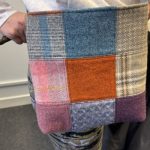
- Mending and upcycling: Extending the life of garments through repair and creativity.
- Supporting local makers: Investing in clothes made with care, not churned out for profit.
- Questioning marketing claims: Recognising when “conscious collections” are more spin than substance.
Every stitch of repair, every garment kept in use, is a small act of resistance against overproduction.
Closing Thought
Fast fashion thrives on speed and disposability. Recycling bins and donation schemes may ease our conscience, but they don’t solve the problem. The real power lies in slowing down: valuing what we already own, resisting the lure of cheap trends, and celebrating the skills that keep clothes alive. Sewing, mending, and mindful consumption aren’t just sustainable – they’re empowering.
The next time you’re tempted by a “recycling” voucher, remember: the greenest choice is not to buy in the first place.
Links:
Read more about mushroom fabric innovations
Join our upcycling workshops to learn practical repair skills
Transform textiles | WRAP – The Waste and Resources Action Programme
Fashion Revolution – What really happens to your clothes